
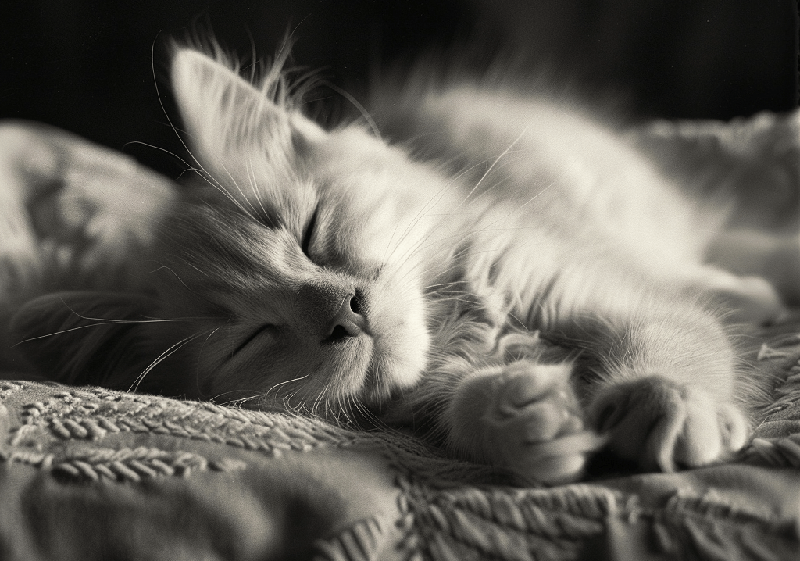
If you’ve ever owned a cat or spent any time around one, you’ve likely noticed that cats sleep a lot. But just how much do they sleep, and why?
Let’s dive into the fascinating world of feline sleep habits and explore the reasons behind their extensive napping routines.
How Many Hours Do Cats Sleep Per Day?
On average, cats sleep between 13 to 16 hours a day. However, some cats can sleep up to 20 hours in a 24-hour period.
This makes cats one of the most sleep-heavy creatures in the animal kingdom, rivaling even some of the world’s most notorious sleepers like koalas and sloths.
Why Do Cats Sleep So Much?
The reasons behind cats’ extensive sleep patterns are rooted in their biology and evolutionary history. Here are some key factors:
- Predatory Instincts: Cats are natural predators. In the wild, hunting requires a lot of energy, and sleeping helps them conserve that energy. Domestic cats retain this trait, which is why they spend so much time resting.
- Nocturnal Nature: Cats are crepuscular, meaning they are most active during the twilight hours of dawn and dusk. They tend to sleep during the day and night, with bursts of activity during the early morning and late evening.
- Growth and Development: Kittens and young cats sleep even more than adult cats because sleep plays a crucial role in their growth and development. During sleep, growth hormones are released, which help them grow and develop properly.
- Energy Conservation: Even though domestic cats don’t need to hunt for their food, their bodies are still wired to conserve energy for those intense periods of activity.
The Sleep Cycle of Cats
Cats have different sleep cycles compared to humans. While we experience long periods of deep sleep, cats experience short bursts of deep sleep and longer periods of light sleep. Here’s a breakdown:
- Light Sleep (Catnaps): This is when cats appear to be asleep but are still partially alert. They can wake up quickly if needed. Light sleep accounts for the majority of their sleep time.
- Deep Sleep: This is the restorative sleep that is crucial for their health. It’s during this stage that cats truly rest and rejuvenate. Deep sleep usually lasts around 5 minutes at a time and is interspersed with periods of light sleep.
Factors Influencing Cat Sleep Patterns
Several factors can influence how much and when a cat sleeps:
- Age: As mentioned earlier, kittens and older cats tend to sleep more than adult cats. Kittens need sleep for growth, while older cats might sleep more due to reduced energy levels and potential health issues.
- Health: Health issues can affect a cat’s sleep patterns. For instance, a cat in pain might sleep less or have restless sleep. Conversely, a sick cat might sleep more to conserve energy and heal.
- Environment: Cats are creatures of habit and prefer a stable environment. Changes in their surroundings, like moving to a new home or the introduction of a new pet, can affect their sleep.
- Diet: A well-balanced diet helps maintain a cat’s energy levels and can influence their sleep patterns. Cats who are well-fed and healthy tend to have more consistent sleep patterns.
Recognizing Healthy Sleep Patterns
While it’s normal for cats to sleep a lot, it’s also important to recognize what constitutes healthy sleep patterns. Here are some signs of healthy sleep in cats:
- Regular Sleep Routine: Cats often have a regular sleep schedule. If your cat sleeps at consistent times each day, it’s a good sign.
- Balance Between Sleep and Play: While cats sleep a lot, they should also have periods of activity and play. A healthy cat will balance sleep with play, exploration, and interaction.
- Comfortable Sleeping Positions: Cats often change their sleeping positions. A healthy cat will sleep in a variety of positions, from curled up to stretched out, depending on their comfort and temperature.
When to Be Concerned
While cats do sleep a lot, there are times when excessive sleep or changes in sleep patterns can indicate a problem. Here’s when you should be concerned:
- Sudden Increase in Sleep: If your cat suddenly starts sleeping significantly more than usual, it could indicate an underlying health issue.
- Difficulty Waking Up: If your cat is hard to wake or seems disoriented when waking, it might be a sign of a health problem.
- Changes in Behavior: If increased sleep is accompanied by other changes in behavior, like a loss of appetite, weight loss, or lethargy, it’s time to consult your vet.
Creating the Perfect Sleep Environment for Your Cat
Just like us, cats need a comfortable and safe environment to get quality sleep. Here are some tips for creating the perfect sleep environment for your cat:
- Cozy Beds: Provide your cat with a variety of sleeping spots. Cats love cozy, soft places where they can curl up and feel safe. Consider placing cat beds in different areas of your home.
- Quiet and Safe: Make sure their sleeping areas are quiet and away from high-traffic areas. Cats prefer a safe, undisturbed spot to rest.
- Temperature Control: Cats love warmth. Provide warm blankets or place their beds in sunny spots. In colder months, consider a heated cat bed.
- High Perches: Cats feel secure when they are high up. Provide cat trees or shelves where they can sleep off the ground and observe their surroundings.
Understanding Your Cat’s Sleep Positions
Cats sleep in a variety of positions, each with its own meaning. Here are some common cat sleep positions and what they might indicate:
- Curled Up: This is a common position where cats curl up with their nose tucked into their tail. It helps them conserve body heat and protect vital organs.
- Stretched Out: When a cat sleeps stretched out, it usually means they are comfortable and feel safe in their environment.
- Belly Up: A cat sleeping with their belly exposed is a sign of trust and comfort. It indicates they feel completely safe and secure.
- Loaf Position: In this position, a cat tucks its paws under its body, resembling a loaf of bread. It’s a way for them to rest while staying ready to move if needed.
- Side Sleeping: Cats often sleep on their sides when they are in a deep sleep and feel relaxed.
The Importance of Playtime and Exercise
While sleep is essential, so is play and exercise. Regular playtime helps balance their energy levels and contributes to overall health. Here are some benefits of incorporating playtime into your cat’s routine:
- Physical Health: Play helps maintain a healthy weight, reduces the risk of obesity, and keeps muscles and joints in good condition.
- Mental Stimulation: Engaging your cat in interactive play stimulates their mind and helps prevent boredom and destructive behaviors.
- Bonding: Playing with your cat strengthens your bond and helps build trust and affection.
Consider scheduling regular play sessions with toys that mimic prey, such as feather wands, laser pointers, and interactive toys. This not only keeps your cat active but also satisfies their natural hunting instincts.
Adapting Sleep Patterns with Age
As cats age, their sleep patterns can change. Understanding these changes can help you provide the best care for your senior cat. Here’s what to expect:
- Increased Sleep: Older cats tend to sleep more than younger cats. They might nap more frequently and for longer periods.
- Comfort Needs: Senior cats may need softer, more supportive beds to accommodate achy joints. Heated beds can also provide extra comfort.
- Health Monitoring: Keep an eye on their sleep patterns. Sudden changes or signs of discomfort during sleep might indicate health issues that need veterinary attention.
Conclusion
Cats are fascinating creatures with unique sleep habits that are deeply rooted in their biology and evolutionary history. Understanding these habits can help us ensure they are healthy and happy.
So, the next time you see your cat sleeping the day away, remember that they’re not just being lazy – they’re conserving energy, staying alert for potential playtime, and simply being the amazing animals they are.
Creating a comfortable sleep environment, understanding their behavior, and balancing sleep with play and exercise are all part of being a responsible and loving cat parent.
If you found this article interesting and want to learn more about cat behavior, check out these additional resources:
Happy napping to your feline friends!