
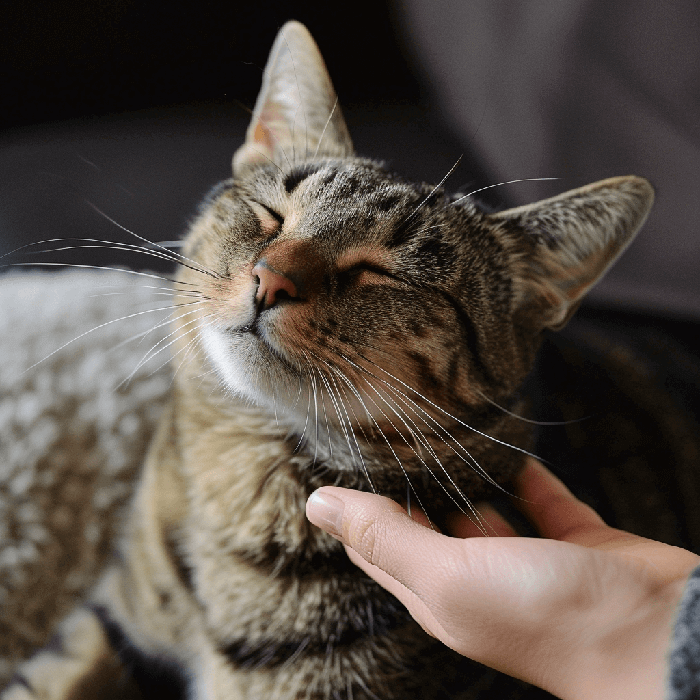
The gentle, soothing sound of a cat’s purr is one of the most comforting noises in the world.
Whether your cat is nestled in your lap or sprawled out in a sunbeam, the rhythmic hum of their purr can bring a sense of calm and peace. But have you ever wondered why cats purr?
Let’s explore the science behind this delightful feline behavior and uncover the various reasons our furry friends purr.
What Exactly Is a Purr?
Purring is a unique vocalization that cats produce through the rapid twitching of the muscles within their larynx (voice box).
This action causes a sudden separation of the vocal cords during both inhalation and exhalation, creating that characteristic purring sound. It’s like the engine of a well-tuned car – smooth, rhythmic, and utterly captivating.
The Multifaceted Reasons Behind Purring
While many of us might assume that cats purr solely when they’re content, the truth is much more complex. Cats purr for a variety of reasons, some of which might surprise you.
1. Contentment and Relaxation
The most well-known reason cats purr is to express contentment. When my cat, Muffin, curls up on my lap and starts purring, I know she’s in her happy place. Purring releases endorphins, which make cats feel good.
This type of purr is usually accompanied by other signs of relaxation, such as kneading, half-closed eyes, and a relaxed posture.
2. Communication with Humans and Other Cats
Cats also use purring as a form of communication. When kittens are born, they are blind and deaf, but they can feel the vibrations of their mother’s purr.
This helps them locate their mom and signals that everything is okay. Adult cats may continue to use purring as a way to communicate with their owners or other cats, signaling friendliness and a lack of threat.
I’ve noticed that Muffin’s purrs differ slightly when she’s interacting with me versus when she’s around other cats, almost like she’s speaking a different dialect.
3. Healing and Pain Relief
One of the most fascinating aspects of purring is its potential healing properties.
Studies have shown that the vibrations produced by purring can stimulate the healing of bones and tissues, reduce pain and swelling, and even help wounds heal faster.
When cats are injured or stressed, they may purr as a self-soothing mechanism.
I remember when Muffin had to undergo surgery; her purring was constant in the days following the procedure, almost as if she was accelerating her own recovery process. Learn more about the healing power of purrs from Scientific American.
4. Stress Reduction
Purring is also a way for cats to calm themselves in stressful situations. Whether it’s a trip to the vet or a loud thunderstorm, cats might purr to help alleviate their anxiety.
I’ve noticed Muffin purring when she’s hiding under the bed during fireworks. It’s her way of coping with the stress and trying to calm herself down.
5. Social Bonding and Comfort
Cats purr to bond with their owners and other cats.
When a cat purrs while being petted or held, it’s often a sign of affection and trust. Purring can strengthen the bond between a cat and its human, making both feel more connected and secure.
I cherish the moments when Muffin purrs contentedly in my arms, reinforcing our special bond.
6. Hunger and Request for Attention
Interestingly, some cats purr when they’re hungry or want attention. This is often a different type of purr – more urgent and higher-pitched.
Muffin has a very distinctive purr that she reserves for meal times. It’s as if she’s trying to sweet-talk me into feeding her sooner!
The Mechanics of Purring
Understanding the mechanics behind purring can deepen our appreciation of this unique feline feature. Here’s a breakdown of how it works:
- Laryngeal Muscles: The muscles of the larynx, or voice box, twitch at a rapid rate.
- Neural Oscillator: A neural oscillator in the brain sends repetitive neural signals to these muscles.
- Vocal Cords: The rapid twitching causes a sudden separation of the vocal cords during both inhalation and exhalation.
- Vibration: This results in a consistent vibration, creating the sound and sensation of purring.
My Personal Experiences with Purring
Living with Muffin has been a constant reminder of the many layers of feline communication. Her purrs vary in tone, intensity, and rhythm depending on the situation.
There’s the soft, soothing purr when she’s curled up next to me, the more insistent purr when she’s hungry, and even the therapeutic purr when she’s feeling under the weather.
Each purr tells a story, and over the years, I’ve become attuned to these subtle differences.
I remember one particular incident that highlighted the healing power of a purr. Muffin had a minor injury from a scuffle with a neighborhood cat.
While she was healing, her purrs were almost continuous, especially when she was resting. It was like she was using her purrs to mend herself from the inside out.
This experience led me to delve deeper into the science of purring and appreciate its multifaceted nature even more.
The Science Backs It Up
Research supports the idea that purring has multiple purposes. Studies have found that the frequency of cat purrs (between 25 and 150 Hertz) can promote healing and pain relief.
This frequency range is known to be therapeutic for humans as well, potentially lowering stress and blood pressure. For more scientific insights, check out this article from Scientific American.
Benefits of a Cat’s Purr for Humans
Did you know that a cat’s purr can also have positive effects on humans? Here’s how:
- Stress Relief: The sound and vibrations of a purring cat can help reduce stress and anxiety in humans. The rhythmic pattern of purring can have a calming effect, much like meditation or soothing music.
- Lower Blood Pressure: Studies suggest that the presence of a purring cat can help lower blood pressure, contributing to better cardiovascular health. Read more about the health benefits of purring.
- Healing Properties: Just as purring helps cats heal, the vibrations can also promote healing in humans, potentially speeding up the recovery of infections and injuries.
- Companionship and Comfort: The emotional bond between a cat and its owner can provide immense comfort and companionship, reducing feelings of loneliness and depression.
Conclusion
Understanding why cats purr can enhance our relationship with these enigmatic creatures. It’s a beautiful reminder that cats are complex beings with rich emotional lives.
By paying attention to the different types of purrs and the contexts in which they occur, we can become more attuned to our cats’ needs and feelings.
So next time your cat curls up beside you and starts to purr, take a moment to appreciate this incredible form of communication.
Whether it’s a sign of happiness, a request for dinner, or a self-soothing mechanism, your cat’s purr is a window into their world. Embrace it, enjoy it, and let it strengthen the bond you share with your feline friend.
References: