
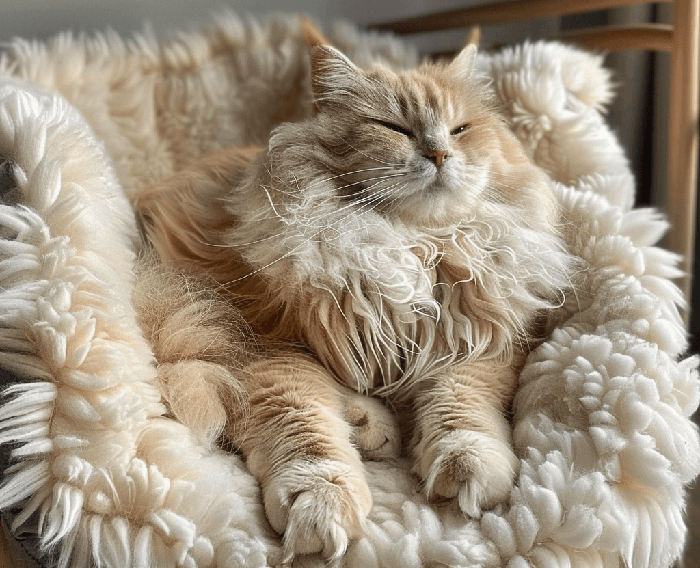
Grooming your cat is about more than just keeping them looking good; it’s an essential part of their overall health and well-being.
Regular grooming can help prevent health issues, improve the bond between you and your cat, and keep your home cleaner.
Whether you have a short-haired or long-haired cat, understanding their grooming needs and how to address them can make a world of difference.
Understanding Your Cat’s Grooming Needs
Cats are naturally clean animals and spend a good portion of their day grooming themselves. However, they still need our help to maintain optimal health.
Here’s a closer look at the grooming needs of different types of cats:
- Short-Haired Cats: These cats are relatively low-maintenance when it comes to grooming. A weekly brushing session is usually sufficient to keep their coat in good shape and reduce shedding.
- Long-Haired Cats: These cats require more frequent grooming to prevent mats and tangles. Daily brushing is ideal, and sometimes, more intensive grooming sessions are necessary.
In addition to coat length, consider your cat’s age, health, and lifestyle.
For example, older cats might need more help with grooming due to arthritis or other mobility issues.
Essential Grooming Tools
Having the right tools can make grooming your cat much easier and more effective. Here’s a rundown of the essential grooming tools you should have:
- Brushes:
- Slicker Brush: Great for removing loose hair and detangling knots. It’s especially useful for long-haired cats.
- Bristle Brush: Helps distribute natural oils and keeps the coat shiny and smooth.
- Rubber Brush: Excellent for short-haired cats as it gently removes loose hair and massages the skin.
- Combs:
- Wide-Toothed Comb: Useful for detangling and removing mats without causing pain.
- Fine-Toothed Comb: Ideal for delicate areas like the face and for checking for fleas.
- Nail Clippers:
- Scissor-Type Clippers: These are easy to handle and provide precise cuts.
- Guillotine Clippers: Also effective but might be harder to use for beginners.
- Ear and Eye Cleaning Supplies:
- Ear Cleaner: A gentle, cat-specific solution to clean the ears.
- Eye Wipes: To keep the area around the eyes clean and free from discharge.
You can find a comprehensive guide on choosing cat grooming tools here.
Step-by-Step Grooming Process
Grooming your cat involves several steps, each important for maintaining their health. Here’s a detailed guide to each step:
- Brushing:
- Start Slowly: If your cat is new to grooming, start with short sessions and gradually increase the time.
- Use the Right Brush: Choose the brush that suits your cat’s coat type. For long-haired cats, start with a slicker brush to remove loose hair and prevent tangles. For short-haired cats, a rubber brush can help remove loose hair and stimulate the skin.
- Brush Gently: Always brush in the direction of hair growth to avoid discomfort. Pay extra attention to areas that are prone to matting, like the belly and under the legs.
- Bathing (if needed):
- Preparation: Gather all your supplies before starting. Use a sink or tub with a non-slip mat to prevent your cat from slipping.
- Shampoo: Use only cat-specific shampoos. Wet your cat thoroughly and apply the shampoo, working from the neck down to avoid getting water in the ears and eyes.
- Rinsing: Rinse thoroughly to remove all shampoo residue. Residue can irritate the skin and cause itching.
- Drying: Use a towel to gently dry your cat. You can also use a hairdryer on a low, cool setting if your cat tolerates it. For more detailed tips, check out this guide on how to bathe your cat.
- Nail Trimming:
- Hold Steady: Hold your cat’s paw and gently press to extend the nails.
- Trim Carefully: Only trim the tips of the nails, avoiding the quick (the pink area inside the nail). If you’re unsure, this nail trimming guide can be very helpful.
- Reward: Give your cat a treat and praise after trimming to create a positive association.
- Ear and Eye Cleaning:
- Eyes: Use a damp cotton ball or pet wipe to clean around the eyes. Be gentle to avoid irritation.
- Ears: Apply a few drops of ear cleaner to a cotton ball and gently wipe the inside of the ear. Never insert anything into the ear canal.
- Dental Care:
- Brushing: Brush your cat’s teeth regularly to prevent plaque buildup. Use a cat-specific toothbrush and toothpaste.
- Chew Toys: Provide dental chews and toys that help clean teeth and massage gums. This guide on cat dental care can provide more insights.
- Checking for Parasites:
- Fleas and Ticks: Regularly check your cat for fleas and ticks, especially if they go outdoors. Use a flea comb to detect and remove these pests.
- Ear Mites: If your cat is scratching their ears frequently, they might have ear mites. Consult your vet for the appropriate treatment.
Dealing with Common Grooming Challenges
Grooming isn’t always straightforward, and you might encounter some challenges. Here are some common issues and how to handle them:
- Cats That Dislike Grooming: Start with short, positive sessions and gradually increase the time. Use treats and praise to build a positive association with grooming. If your cat is very resistant, you might need to seek help from a professional groomer or your veterinarian.
- Mats and Tangles: For small mats, use a mat splitter or gently work them out with a wide-toothed comb. Never cut mats out with scissors, as you might accidentally cut the skin. For severe mats, a professional groomer might be necessary. This resource offers more advice on dealing with mats.
- Hairballs: Regular brushing can significantly reduce hairballs. If your cat still suffers from hairballs, consider a hairball control diet or supplements. Here’s an article on managing hairballs that might help.
- Skin Issues: If you notice any redness, bumps, or other skin issues, consult your veterinarian. These could be signs of allergies, infections, or other health problems.
- Shedding: Cats naturally shed, but excessive shedding can be managed with regular brushing and a healthy diet. This guide on reducing shedding can provide more tips.
Grooming for Special Needs Cats
Special needs cats require extra care and attention. Here’s how to adjust your grooming routine for them:
- Senior Cats: Older cats might have arthritis or other health issues that make self-grooming difficult. Gentle brushing can help remove loose hair and stimulate the skin. Pay extra attention to their nails, as they might not wear them down as effectively. For more tips on caring for senior cats, this guide is useful.
- Cats with Disabilities: Adapt your grooming techniques to your cat’s specific needs. For example, if your cat has limited mobility, you might need to be more gentle and patient. Always consult with your veterinarian for personalized advice.
- Cats with Health Issues: Cats with conditions like diabetes or heart disease might have special grooming needs. Regular grooming can help you monitor their health and catch any issues early. This resource on grooming cats with health issues can be very helpful.
The Emotional Benefits of Grooming
Grooming isn’t just about physical health; it also has emotional benefits for your cat and for you. Here’s why regular grooming is important for your cat’s emotional well-being:
- Bonding: Grooming sessions are a great way to bond with your cat. The physical touch and attention help strengthen your relationship.
- Stress Reduction: Regular grooming can help reduce stress and anxiety in cats. The act of brushing and the feeling of a clean coat can be very soothing.
- Behavioral Benefits: A well-groomed cat is often happier and less likely to engage in destructive behaviors like excessive scratching or licking.
DIY Grooming Products and Natural Remedies
If you’re into DIY projects and prefer natural products, here are some ideas for homemade grooming products and natural remedies:
- DIY Cat Shampoo:
- Mix 1 cup of warm water with 1 tablespoon of baby shampoo or unscented dish soap.
- Add 1 tablespoon of white vinegar to help with shine and detangling.
- Use sparingly and rinse thoroughly.
- Homemade Flea Spray:
- Combine 1 cup of water, 1 cup of apple cider vinegar, and a few drops of lavender or eucalyptus oil.
- Spray lightly on your cat’s coat and brush through.
- Natural Remedies for Dry Skin:
- Coconut oil: Apply a small amount to dry areas to moisturize the skin.
- Omega-3 supplements: Adding fish oil to your cat’s diet can improve skin and coat health.
Always consult with your veterinarian before using any homemade products or natural remedies to ensure they are safe for your cat.
Conclusion
Grooming your cat can be a rewarding experience that strengthens your bond and keeps your feline friend healthy.
With the right tools, techniques, and a little patience, you can make grooming a positive and stress-free part of your cat’s routine.
Remember, every cat is unique, so tailor your grooming routine to their specific needs and preferences.
I hope you found these tips helpful! For more detailed guides, check out some of my favorite resources linked throughout the article. Happy grooming!